
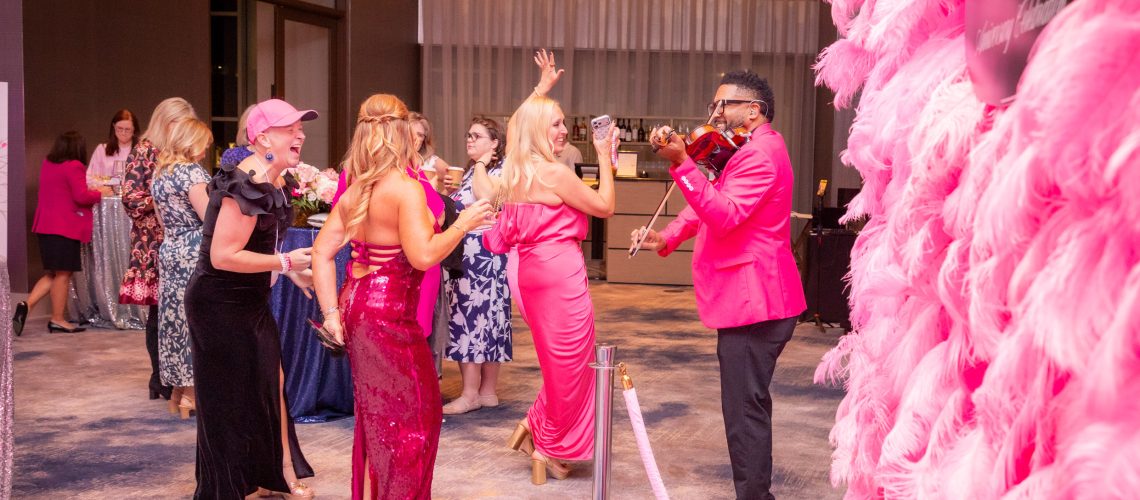
A few days after a recent event, I opened the photographer’s gallery and started scrolling through the photos.
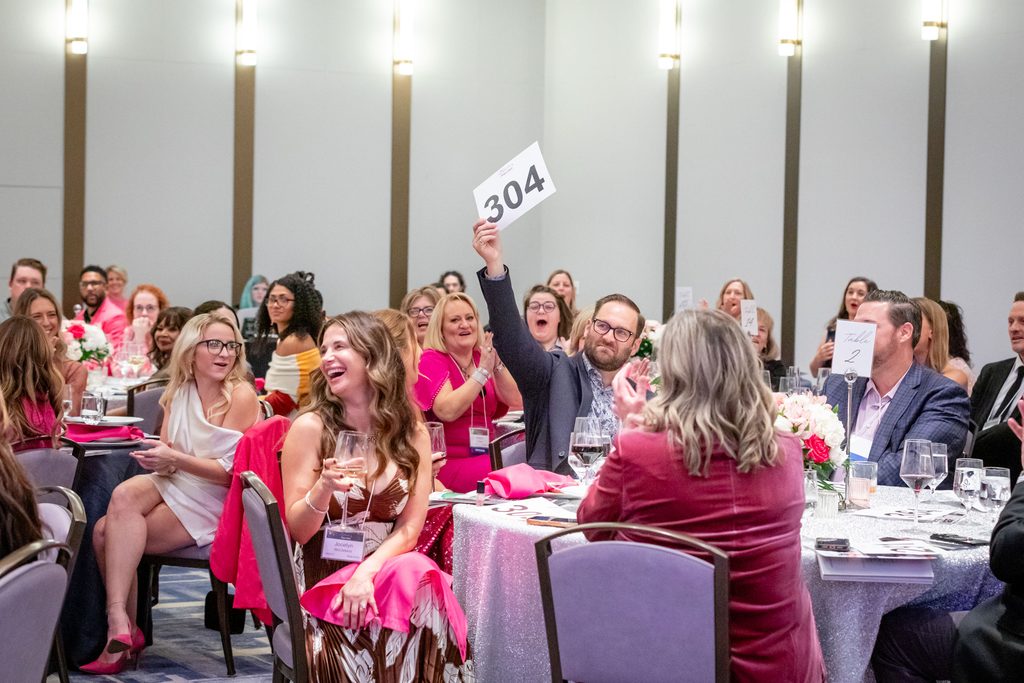
Smiling faces. Guests laughing. A beautiful ballroom full of people celebrating a mission that mattered.
And I had a strange realization. The event I was looking at wasn’t the event I remembered.
Not because the photographer missed anything. But because the event I experienced as the planner was completely different from the one our guests experienced.
The guests saw a beautiful celebration. I remembered the unexpected challenges, the quick decisions, and the pressure of making sure everything went according to plan.
I also remembered the weight I carried into that event. The desire to get everything right, deliver on our promises, and make sure our client felt confident in the experience we’d created.
Looking through those photos, I felt something I hadn’t fully experienced on event night: relief.
The guests had a wonderful time. The event had accomplished what we set out to do.
The event I experienced wasn’t the event I created for everyone else. And maybe that’s exactly how it should be.
Guests Don’t Know Your Run of Show (And That’s a Good Thing)
As planners, we know every detail. When the doors should open, how long the program should last, and exactly what’s supposed to happen next. Our guests don’t.
They know what we’ve told them to expect. Where to park, what to wear, when to arrive, and what they’re going to have for dinner.
When we’ve done our job well, guests get to show up and enjoy themselves without worrying about what’s happening behind the scenes.
For this event, we focused on the arrival experience. Parking was straightforward. Valet was included. Guests received clear communication and had a phone number to call if they needed help. Registration was designed to be efficient and welcoming. Volunteer greeters personally escorted them from the elevator to check-in.
Those details weren’t glamorous, but they mattered. They gave guests confidence from the moment they arrived.
The best guest experiences aren’t always about the big moments. They’re about removing the little things that get in the way of enjoying them.
Plan for What You Can. Prepare for What You Can’t.
No matter how detailed your run of show is, something will eventually go a little sideways.
At this event, we had an unexpected medical emergency and a program that went significantly off script. Neither was something we wanted to navigate, but both required us to respond. What made the difference was the preparation we’d done before those moments happened.
There are two things I’d encourage every event planner to do before their next event.
1. Have an emergency conversation.
Don’t assume the venue has it covered. Ask who calls 911, where emergency personnel should enter, who communicates with guests, and who makes decisions if the event needs to pause or change.
Before this event, we’d had that conversation with the venue’s security team. We certainly didn’t expect to need it, but I’m incredibly grateful we did.
2. Decide who gets to make the call when things change.
Not every unexpected situation requires a committee discussion. Establish who has the authority to make decisions, when the client needs to be involved, and what your team can handle independently.
Sometimes you need to act immediately. Sometimes you need a quick gut check from your client. And sometimes the best decision is a quiet adjustment behind the scenes.
Knowing that distinction ahead of time can save precious minutes on event day.
Good planning doesn’t eliminate surprises. It gives us the confidence to respond to them.
Not Every Deviation Is a Disaster
When you know the plan inside and out, every deviation feels significant.
A program runs long, a transition takes an extra minute, or a speaker says something unexpected.
We notice all of it.
But our guests don’t necessarily know something has changed. And even when they do, it doesn’t automatically mean their experience has been negatively affected.
That doesn’t mean ignoring problems. It means recognizing the difference between something that isn’t going according to plan and something that’s actually impacting the guest experience.
Our job isn’t to protect the run of show at all costs. It’s to protect the experience we promised to deliver.
Remember Which Event You’re Planning
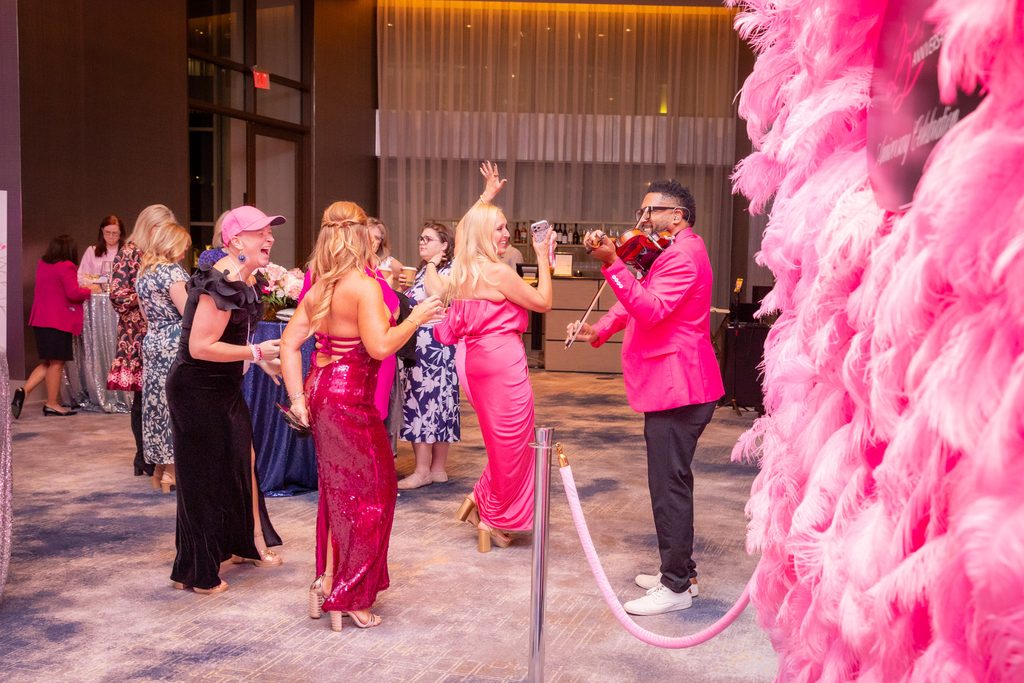
Looking through those photographs reminded me how easy it is to measure an event by everything we had to manage rather than everything our guests got to experience.
As planners, we carry the timelines, little details, expectations, and responsibility of making it all come together.
But our guests are there for something entirely different.
They’re there to celebrate, connect, learn, give, or be part of something meaningful.
So here’s my reminder to fellow planners, and honestly, to myself: Think ahead. Ask the extra questions. Build the contingency plans. Know your event inside and out. Lead with confidence.
But when the event is over, don’t measure its success only by how closely everything followed the plan.
Look at what your guests experienced. Did they feel welcomed? Were they connecting with the mission? Did they leave feeling like their time mattered?
Because the event you experienced as the planner will probably never be the same event your guests experienced.
And when you’ve done your job well, that’s exactly the point.