
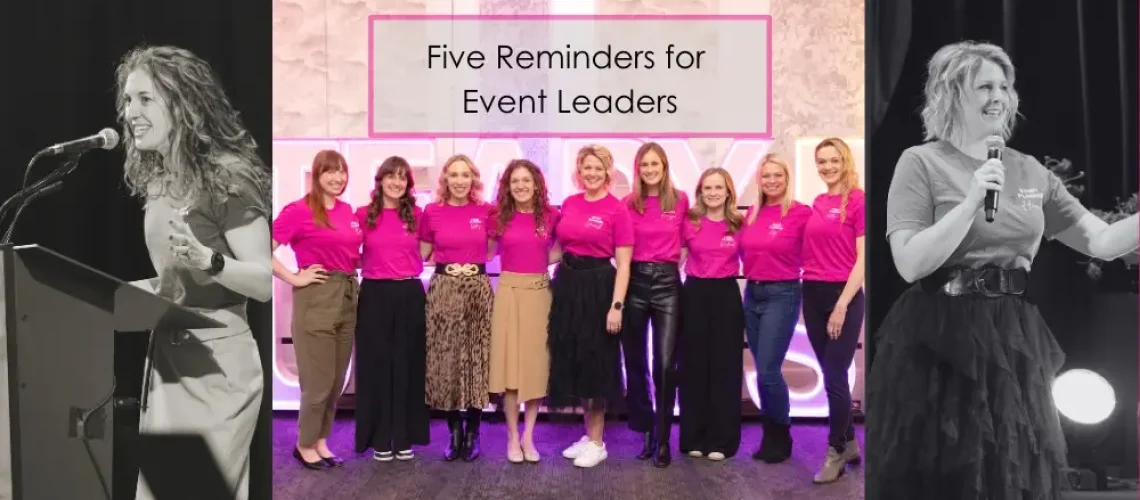
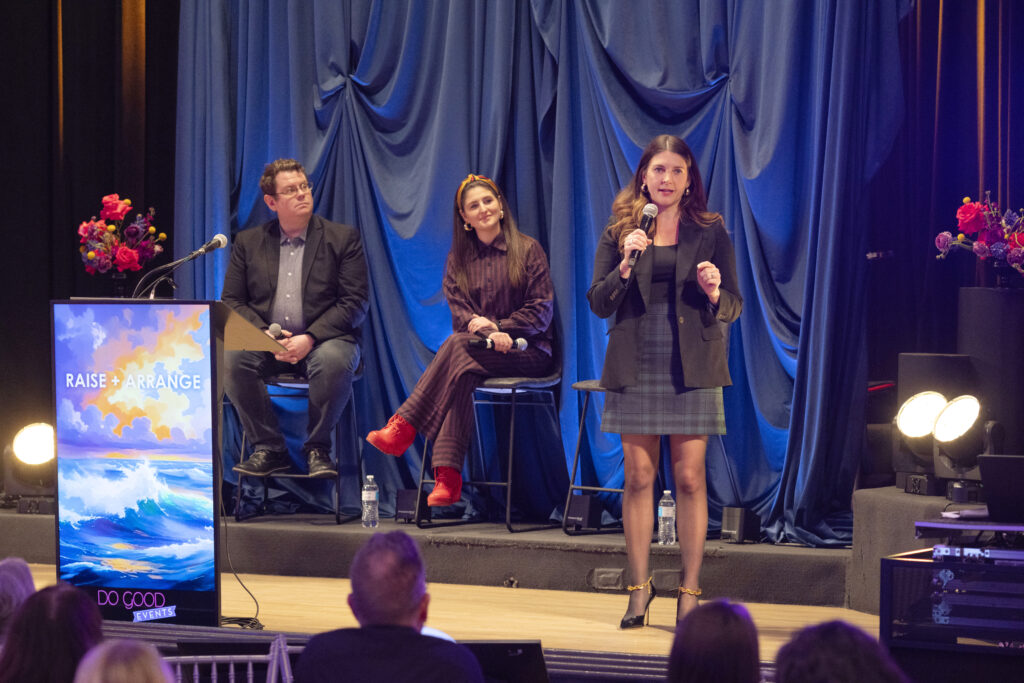
This month we hosted our annual RAISE + ARRANGE conference. This event was born during the depth of the pandemic, when event planners were searching for support, ideas, and community. While circumstances of today look different, the need remains the same. Many in the nonprofit community are navigating uncertainty, budget concerns, and emotional heaviness. And yet, we also know the power of gathering, gratitude, and shared purpose – the value of events.
We kicked off our event with Kalsey Beach and Hannah Hegman’s Fast Five. Let’s dive deeper into each of these five reminders for event planners.
#1 Don’t Overlook Your Contracts
With any event comes contracts but what do you do when you receive these to ensure you aren’t missing anything? First, start somewhere! While contracts can be long and overwhelming, make sure you are taking the time to read through them and when your eyes start to get tired ask someone with fresh eyes to review it.
Here is a mini checklist that you always want to double check in a contract:
- Check Accuracy – Make sure your dates, timing, and details are accurate.
- Understand the Terms – Pay attention to wording like “may” versus “must” to understand what is required or optional for each party.
- Ask Questions – Your vendors are your partners on your event, don’t be afraid to ask questions if you need further clarity on the contract.
These are just some basic steps to understanding event contracts but ultimately if you ever have concerns or deeper questions, consult a lawyer.
#2 – Build in Buffer Time
One of the most valuable lessons in event planning is this: build in buffer time everywhere. From the very beginning of the planning process to being on-site the day of the event, extra time is your best stress-reducer. Secure vendors earlier than you think you need to and make sure you build in buffer time for them on-site. Event set-up almost always takes longer than expected!
Throughout the entire planning process, as Hannah puts it, “Last-minute changes are everywhere—speakers cancel, sponsors shift, timelines move—anticipate this!”
While it’s possible to plan an event in as little as three weeks (and we’ve done it), a longer runway allows for flexibility, thoughtful decision-making, and far fewer fire drills. Vendors feel this too; AV teams, caterers, and venue partners all benefit when schedules include breathing room. Buffer time doesn’t slow you down, it actually sets you up for success.
#3 Prioritize Relationships
Prioritizing relationships is one of the most powerful strategies for long-term event success. Your internal champions, loyal donors, returning sponsors, and trusted vendor partners are the foundation that keeps your events sustainable year after year. It can be tempting to chase every new trend or shiny idea, but nurturing the relationships you already have builds trust, consistency, and momentum. As we’re often reminded, retention is far easier than constantly finding new supporters.
Christie Altendorf from D’Amico Catering described a creative way that you could prioritize a relationship at your next event. She described a moment that she called the “golden thread” moment where you intentionally plan a special moment in the event for someone. This could be as simple as making sure the client’s favorite wine is served at their table, or picking something from the tasting that was LOVED (but not selected) and making sure the event chair gets it on their plate. Make note of the little things early on in the process and try to bring them back into their final event experience.
As you plan your next event, consider this: who are your top five relationship anchors? And how are you showing them they matter?
#4 – Protect the People Doing the Work
Unfortunately, burnout is all too common in the workplace these days. How do you prevent burnout while continuing to do the work you love for a mission you are passionate about?
Take care of yourself! Morgan Peterson from our team does this by intentionally walking through a 5-minute bi-weekly self-check-in. She shared, “I reflect and track how I am feeling about workload, deadlines, stress, energy, etc. while setting goals to adjust if things are unhealthy for long periods of time.” Take the time to check in with yourself before you hit burnout.
From an events perspective, consider areas to simplify your events. Is there an opportunity to remove something (like nametags) or simplify an area (like the programming)? Talk with your team about this at your next team meeting. Like Hannah shared at RAISE + ARRANGE, “Healthy teams produce the best event.” And, if your team arrives at the event energized, you are prepared to connect with your donors which is the priority.
“Healthy teams produce the best event.”
Hannah Hegman
#5 – Lead with Gratitude
Pause to celebrate yourself. At your next event, take a moment to pause and really see the event. Be proud of the work you put in and the mission you are impacting.
Like Kalsey Beach reminded us, “Say thank you to the volunteers who show up, the vendors who give the discount even though they don’t have to, the sponsors who believe in your mission.”
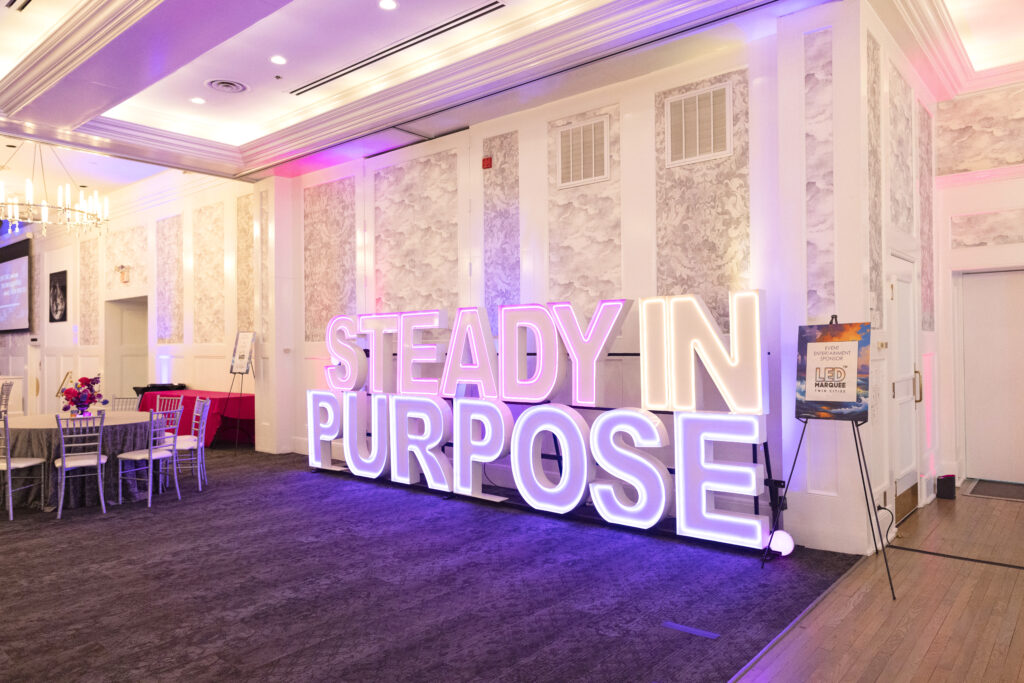
As we begin another year, these five reminders invite us to slow down and be intentional in our planning. Events are more than just logistics; they are a connection to your mission. When we stay steady in why we do this work, even in the midst of chaos, we create experiences that not only raise funds but lift people up. That is work that is worth continuing.